
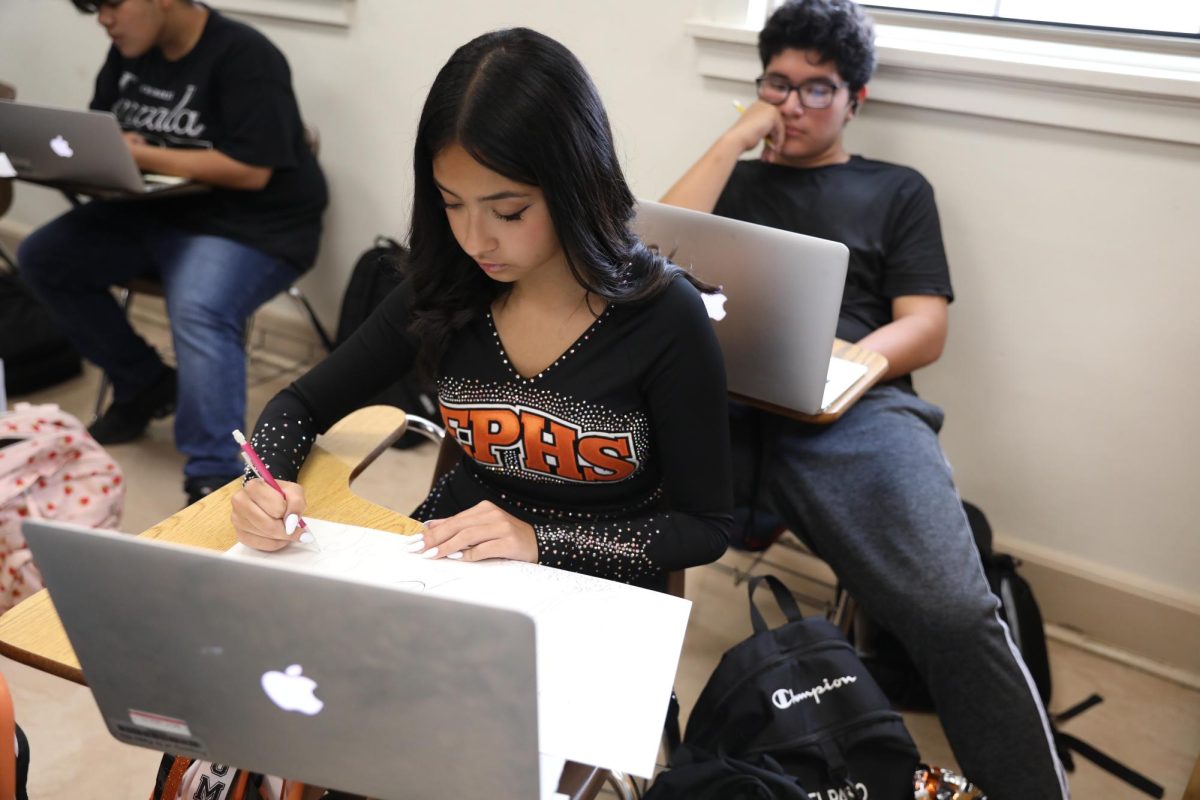
I’ve spent the better part of a decade watching students panic over citation formats. The anxiety is real, and honestly, it’s somewhat justified. There’s something about the prospect of getting your citations wrong that makes even confident writers second-guess themselves. I’ve been there. I still remember my first research paper in college, frantically flipping through the MLA Handbook like it was some kind of sacred text that held the answers to academic salvation.
Here’s what I’ve learned: MLA citation isn’t actually that complicated once you understand the underlying logic. The Modern Language Association created this format for a reason, and that reason wasn’t to torture students. It was to create consistency, to make it easy for readers to track down your sources, and to give proper credit where it’s due. When you think about it that way, the whole system makes sense.
The Basic Structure of MLA Citations
Let me start with the fundamentals because everything else builds from here. An MLA citation for an essay typically follows this pattern: Author’s Last Name, First Name. “Title of Essay.” Title of Book or Journal, Publisher, Year, page numbers.
That’s the skeleton. But the flesh on those bones varies depending on where you found the essay. Is it in a book? Is it from a journal? Did you find it online? These details matter, and they change how you format your citation.
I remember a student once asked me why we couldn’t just cite everything the same way. The answer is that different sources have different characteristics. A book has a publisher and a publication date. A journal has volume and issue numbers. A website might have an access date. The citation format reflects these differences so that anyone reading your works cited page can understand exactly where you pulled your information from.
Citing Essays from Edited Collections
This is where things get interesting. When you’re citing an essay that appears in a book edited by someone else, you need to include both the essay author and the editor. The format looks like this:
Smith, John. “The Evolution of Modern Thought.” Contemporary Essays on Philosophy, edited by Jane Doe, Oxford University Press, 2019, pp. 45-67.
Notice that the essay title goes in quotation marks while the book title is italicized. The editor’s name comes after “edited by,” and you include the page range where the essay appears. This is crucial. If you leave out the page numbers, your citation is incomplete.
I’ve seen countless students forget this step. They’ll cite the book but omit the pages, and then their professor marks it wrong. It’s frustrating for everyone involved, but it’s also preventable. The page numbers tell your reader exactly where to find the essay within that larger collection.
Essays from Academic Journals
Journal citations follow a slightly different pattern. Here’s what you need:
Williams, Rachel. “Digital Literacy in the Twenty-First Century.” Journal of Educational Studies, vol. 34, no. 2, 2021, pp. 112-129.
The volume number and issue number are essential here. Journals publish multiple issues per year, and each issue contains multiple articles. Without the volume and issue numbers, someone trying to locate the article would be lost. The year matters too, obviously, but the volume and issue are what really narrow things down.
According to data from the Modern Language Association, approximately 78% of academic essays are now published in digital formats, either as part of online journals or in digital collections. This shift has actually made citation more important, not less, because digital sources can change or disappear. Your citation becomes a kind of permanent record of where you found the information.
Online Essays and Digital Sources
This is where MLA citation gets genuinely tricky. When you’re citing an essay from a website, you need to include the URL and often the access date. The format is:
Johnson, Michael. “Climate Change and Policy Reform.” Environmental Review Online, 2022, www.environmentalreviewonline.com/articles/climate-change-policy.
If the source doesn’t have a clear publication date, you can use “Accessed” followed by the date you viewed it. Some professors require this; others don’t. I always recommend checking your assignment guidelines or asking your instructor directly. It’s one of those situations where a thirty-second clarification can save you from making a mistake.
The Works Cited Page
All your citations go on a separate page at the end of your essay, titled “Works Cited.” This page should be alphabetized by the author’s last name. Every essay you cited in your paper should appear here, and conversely, every source on your works cited page should be referenced somewhere in your essay.
Here’s a sample works cited page structure:
| Source Type | Format Example | Key Elements |
|---|---|---|
| Essay in edited book | Author. “Title.” Book Title, edited by Editor, Publisher, Year, pp. X-X. | Author, essay title, book title, editor, publisher, year, pages |
| Journal article | Author. “Title.” Journal Name, vol. X, no. X, Year, pp. X-X. | Author, article title, journal name, volume, issue, year, pages |
| Online essay | Author. “Title.” Website Name, Year, URL. | Author, essay title, website name, year, URL |
| Newspaper article | Author. “Title.” Newspaper Name, Date, pp. X-X. | Author, article title, newspaper name, publication date, pages |
Common Mistakes I See Repeatedly
First, inconsistent capitalization. In MLA format, you capitalize the first word, the last word, and all major words in titles. Articles, prepositions, and conjunctions stay lowercase unless they’re the first or last word. I’ve watched students capitalize every single word, which is incorrect, and I’ve watched others fail to capitalize important words. It’s a detail that matters.
Second, incorrect punctuation. The period goes inside the quotation marks. Always. There’s no exception to this rule in MLA format. I’ve seen students put it outside, and while it might seem like a minor thing, it’s technically wrong.
Third, forgetting to indent. Your works cited page should have a hanging indent, meaning the first line of each citation is flush left, and subsequent lines are indented. Most word processors can do this automatically, so there’s really no excuse for missing it.
Fourth, mixing up italics and quotation marks. Essay titles go in quotation marks. Book titles, journal names, and website names get italicized. Not the other way around.
When You Need Additional Help
If you’re struggling with the fundamentals of essay structure and argumentation alongside citation formatting, seeking help with college essaywriting can be genuinely transformative. There are legitimate resources available that can guide you through the entire process, from thesis development to proper citation. Some services market themselves as essaywritercheap for academic success guide, but I’d encourage you to focus on finding resources that actually teach you rather than just doing the work for you.
The Purdue Online Writing Lab, commonly known as OWL, is a free resource that I recommend constantly. It has detailed guides for MLA, APA, and Chicago styles. The Modern Language Association itself publishes the official handbook, which is the authoritative source if you ever need to settle a citation debate.
For those working with multimedia sources, understanding how to properly format citations becomes even more complex. A film citation guide for mla apa and chicago styles can help you navigate those waters, since films require different information than traditional essays. You need to include the director, the distributor, the year, and sometimes the runtime.
Why This Actually Matters
I want to be honest about something. Citation format might seem like busywork. It might feel like your professor is being pedantic about commas and italics. But here’s the thing: proper citation is about academic integrity. It’s about honoring the work of people who came before you. It’s about creating a transparent trail that allows others to verify your claims and build on your research.
When you cite correctly, you’re participating in a larger scholarly conversation that spans centuries. You’re saying, “I read this, I understood it, and I’m building on it.” That’s powerful. That’s the actual point of academic writing.
I’ve learned that the students who struggle least with citations are the ones who understand this deeper purpose. They’re not just following rules; they’re engaging with a system that has real value. Once you shift your perspective from “I have to do this” to “I get to do this,” the whole process becomes less painful.
Final Thoughts
MLA citation is learnable. It’s not intuitive for everyone, and that’s fine. Some people naturally understand formatting conventions while others have to study them carefully. Neither approach is better or worse. What matters is that you take the time to get it right.
Keep the MLA Handbook nearby when you’re writing. Use it. Reference it. Don’t rely on memory alone. Check your citations against the official format. Ask your professor if you’re unsure about something. These small acts of diligence will save you from mistakes and, more importantly, will help you develop a habit of precision that will serve you well in whatever field you pursue.
The anxiety I mentioned at the beginning? It fades once you’ve done this a few times. You’ll start to internalize the patterns. You’ll recognize what goes where. And eventually, you might even find yourself helping someone else navigate their first research paper. That’s when you know you’ve truly mastered it.